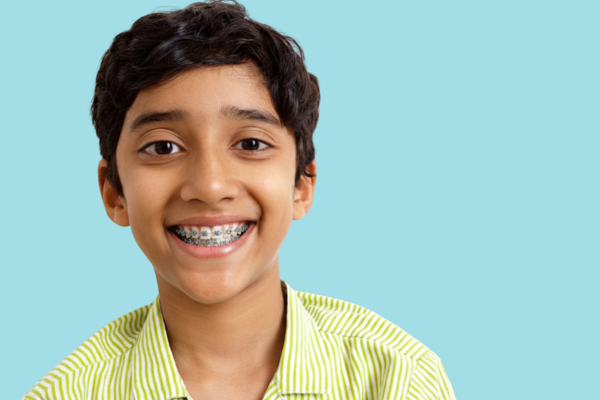
Children’s smiles change quickly as baby teeth fall out and permanent teeth begin to come in. A little spacing, a slightly crooked tooth, or a bite that looks different from a sibling’s isn’t always a reason to worry, but it can be a reason to ask questions.
Most orthodontic concerns develop gradually. By the time they’re obvious, changes in the bite or jaw have often been developing for months or even years. Recognizing those early signs allows your dental team an opportunity to track your child’s smile as it develops and recommend treatment only if it’s needed.
At Hamilton Dental Associates, routine pediatric dental care includes watching how teeth, jaws, and bites develop over time. Many children never need early treatment. Others benefit from an orthodontic evaluation while they’re still growing.
What Are the First Signs a Child May Need Braces?
Crowded teeth, bite changes, crooked permanent teeth, prolonged thumb sucking, and mouth breathing are some of the earliest signs a child may benefit from an orthodontic evaluation. None of these automatically means braces are necessary, but each is worth discussing during your child’s regular dental visits.
Here are seven of the most common signs your child needs braces that we look for as children’s smiles continue to develop.
1. Crowded Teeth
Crowding is one of the most common reasons children are referred for orthodontic care.
As permanent teeth erupt, there may not be enough room for every tooth to fit comfortably within the jaw. When that happens, teeth may overlap, rotate, or begin erupting behind one another.
Mild crowding is common while permanent teeth are still coming in, so we’ll often continue monitoring these changes during routine visits before recommending treatment.
If crowding becomes more noticeable as additional permanent teeth erupt, an orthodontic evaluation can help determine whether continued monitoring or treatment is appropriate. Understanding what causes crowded teeth in children can also provide helpful context as your child’s smile develops.
2. Teeth That Don’t Fit Together Comfortably
When your child bites down, the upper and lower teeth should come together naturally.
If certain teeth meet first, the bite feels uneven, or your child avoids chewing on one side, it may indicate a developing bite issue such as:
- A crossbite
- An underbite
- An overbite
- An open bite
These bite differences don’t always require immediate treatment, but they’re worth evaluating as your child continues to grow.
3. Baby Teeth Are Lost Very Early or Very Late
There’s a wide range of what’s considered normal, but timing still matters.
Baby teeth that fall out too early can allow neighboring teeth to drift into the empty space before permanent teeth are ready to erupt.
On the other hand, baby teeth that stay in place much longer than expected may prevent permanent teeth from coming in where they should.
Either situation can influence how the bite develops and increase the likelihood of future orthodontic treatment.
4. Permanent Teeth Are Coming In Crooked
It’s common for newly erupted permanent teeth to look a little uneven at first. As more permanent teeth come in, they often shift naturally into better alignment.
Occasionally, though, a tooth erupts far outside the dental arch, behind another tooth, or at an unusual angle. An orthodontic evaluation for your child helps determine whether that tooth is likely to improve naturally or whether it should be monitored more closely.
5. Thumb Sucking or Prolonged Pacifier Use
Thumb sucking and pacifier use are common during infancy and early childhood. When those habits continue beyond the toddler years, they can begin to influence jaw growth and bite development.
Depending on the child, prolonged habits may contribute to:
- An open bite
- Changes in jaw development
- Teeth that begin moving forward
- Bite alignment issues
Every child responds differently, but these habits are worth mentioning during routine dental visits because they can influence bite development over time. The connection between thumb sucking and jaw development is one reason we monitor growing smiles closely.
6. Mouth Breathing or Frequent Snoring
The way a child breathes can sometimes influence the way their jaws and facial bones develop.
Children who consistently breathe through their mouths or snore regularly may benefit from an orthodontic evaluation, especially if those habits are accompanied by crowded teeth or bite changes. The relationship between jaw alignment and breathing in kids is another reason we pay close attention to jaw growth during childhood.
7. Difficulty Chewing or Biting
Children rarely describe bite problems using dental terminology.
Instead, they may say things like:
- “This tooth feels funny.”
- “I only chew on one side.”
- “It hurts when I bite.”
Comments like these don’t always point to an orthodontic problem, but they’re worth mentioning during your child’s next dental visit because they can provide valuable clues about how the bite is developing.
When Should My Child See an Orthodontist?
The American Association of Orthodontists recommends scheduling a first orthodontic visit by age 7.
That recommendation isn’t based on whether a child already needs braces. Around age 7, children usually have enough permanent teeth for an orthodontist to evaluate jaw growth, bite development, and available space for incoming teeth.
A first orthodontic visit establishes a baseline and gives your dental team an opportunity to continue monitoring your child’s smile as it develops.
Does Every Child With These Signs Need Braces?
No.
Some children simply benefit from continued observation as they grow. Others may be candidates for early orthodontic treatment, while some won’t need braces until adolescence.
Every recommendation is based on your child’s individual bite, growth pattern, and dental development.
Wondering If It’s the Right Time for Braces?
Every child’s smile develops differently. If your child is around age 7 or you’ve noticed changes in their bite, we’re happy to take a look and answer your questions.
Frequently Asked Questions
What is the earliest sign my child may need braces?
Crowded teeth, bite changes, and permanent teeth erupting out of position are some of the earliest signs.
At what age should my child see an orthodontist?
The American Association of Orthodontists recommends a first orthodontic visit by age 7.
Does crooked teeth always mean my child needs braces?
No. Some teeth naturally straighten as additional permanent teeth erupt. An orthodontic evaluation helps determine whether treatment is needed.
Can my dentist tell if my child may need braces?
Yes. Routine dental exams often identify bite or tooth alignment changes that warrant further evaluation.
Can thumb sucking affect my child’s bite?
Prolonged thumb sucking can contribute to changes in bite alignment and jaw development that may increase the need for orthodontic treatment.
Knowing When to Take the Next Step
The goal isn’t to catch every crooked tooth. It’s to recognize changes that deserve a closer look while your child is still growing.
If you’ve noticed crowded teeth, bite changes, mouth breathing, or any of the other signs discussed above, mention them during your child’s next dental visit. Sometimes the best recommendation is simply to continue monitoring. Other times, an orthodontic evaluation gives us the information we need to plan for the future.
Because our pediatric dentists and orthodontists work together, your child’s routine care stays connected from the very beginning. Through comprehensive pediatric dental care and orthodontic services, we can monitor your child’s smile as it develops and recommend treatment only when it’s appropriate. Whether your child benefits from observation, early orthodontic treatment, or braces later in childhood, you’ll already have a team that understands their smile and development.
At Hamilton Dental Associates, we’re proud to help families throughout Mercer County and Central New Jersey by Making Smiles for Life. Our integrated pediatric orthodontics and pediatric dentistry teams work together throughout every stage of your child’s smile. If you have questions about your child’s bite or dental development, or your child is approaching age 7, schedule an appointment with our team. We’ll help determine whether it’s the right time for an orthodontic evaluation and create a plan that’s right for your child’s growing smile.