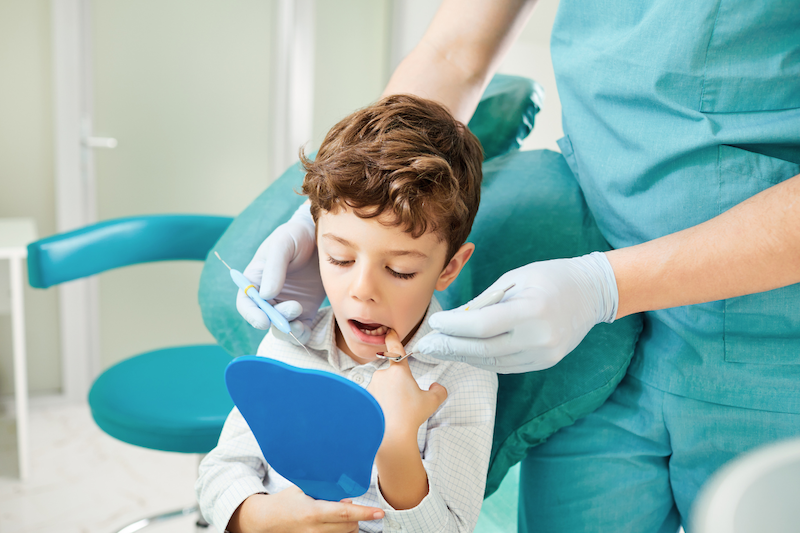
Parents often notice things like snoring, mouth breathing, or restless sleep, but may not realize jaw development can sometimes play a role in how comfortably a child breathes during sleep.
At Hamilton Dental Associates, pediatric visits go beyond checking for cavities. We pay close attention to how teeth fit together, how the upper and lower jaws are developing, and whether everything looks balanced as a child grows. Those details matter because jaw growth is closely tied to how air moves through the nose and mouth. These structures can influence breathing patterns, sleep quality, and long-term oral development.
When development is well balanced, breathing is usually quiet and comfortable. When it’s not, kids often adjust in small ways without realizing it.
Understanding this connection starts with how jaw growth shapes breathing over time.
How Jaw Growth Influences Breathing
The jaws do more than hold teeth, they help shape the space where air flows.
The upper and lower jaws help form the structure that surrounds the airway, with the upper jaw forming the floor of the nasal cavity.
When the jaws develop with enough width and proper alignment, there’s space for the tongue to rest comfortably and for air to move freely.
If jaw growth is narrow, recessed, or misaligned, it may:
- Limit space for the tongue
- Contribute to mouth breathing and restless sleep
- Increase the likelihood of snoring
- Affect airflow during sleep
This doesn’t mean every child with a narrow bite will have breathing concerns. But jaw structure is one part of how breathing works, especially during sleep.
Because kids are still growing, these patterns can change over time. That’s why we keep an eye on them during regular pediatric dental visits.
Signs Jaw Alignment May Be Affecting Breathing
Many airway-related signs show up gradually and may not immediately seem connected to dental development.
Some of the things we look for include:
Chronic mouth breathing, especially at night
- Snoring
- Restless sleep
- Dark circles under the eyes
- Frequent waking
- Narrow dental arches
- Crowded teeth at an early age
Mouth breathing in particular can influence how the jaw grows over time. When children consistently breathe through their mouths, the tongue may rest lower in the mouth instead of against the palate. This can affect upper jaw development and contribute to a narrower arch.
If you’ve noticed your child breathing primarily through their mouth, especially during sleep, it’s worth mentioning at their next dental visit.
Why Early Pediatric Evaluations Matter
Jaw development doesn’t happen all at once. It changes year by year. Something that looks minor at one age can look very different a few years later, especially once permanent teeth begin to come in.
That’s why we focus on consistency. Regular visits allow us to track changes over time instead of reacting later.
For many families, this starts with when to schedule your child’s first dental visit, and then building a steady routine from there.
Have Questions About Your Child’s Dental Health?
Our pediatric team is here to help with routine care and answers along the way.
Where Orthodontics Fits In
As children approach school age, crowding or bite concerns sometimes become more noticeable.
In certain cases, orthodontic intervention may be recommended to help guide jaw development. Expanding a narrow upper jaw, for example, can sometimes improve airway space while also supporting proper tooth alignment.
Every child is different. Some need early orthodontic evaluation. Others simply need monitoring.
What matters most is recognizing that the teeth, jaws, and airway all develop together.
If a child is already showing signs of sleep-related breathing concerns, we may also recommend coordinating with your child’s pediatrician or another specialist if needed.
How Sleep and Jaw Development Are Connected
When breathing is disrupted during sleep, it can affect more than just energy levels. Poor sleep may influence mood, attention, and growth patterns.
Children who snore regularly or breathe through their mouths at night may not be getting restful sleep.
In some cases, jaw alignment plays a role. In others, enlarged tonsils, allergies, or nasal obstruction may be involved.
We often see these patterns come together when looking at how dental health and sleep are connected, especially when more than one factor is involved.
Supporting Healthy Growth at Every Stage
Jaw alignment is just one part of how kids grow. We also look at:
- Daily oral habits
- Proper tongue posture
- Balanced bite development
- Consistent preventive care
Habits like thumb sucking or mouth breathing can influence development over time. These often come up alongside what we see in common dental habits in kids that can affect their smile.
By identifying small patterns early, we can help keep development on track and reduce the likelihood of more complex concerns later.
When Should Parents Schedule an Evaluation?
It may be helpful to schedule a visit if you’ve noticed:
- Persistent mouth breathing
- Snoring several nights a week
- Difficulty sleeping
- Early crowding of teeth
- Jaw shifting when chewing
In many cases, everything is developing normally. When it’s not, catching it early gives you more options and keeps things manageable.
Ready to Take a Closer Look?
Keeping an eye on jaw alignment is one way we help children grow comfortably and confidently. Healthy development supports not only a balanced smile but overall well-being.
Hamilton Dental Associates has cared for families in the Hamilton community for over 50 years. We’ve seen children grow from their first teeth through orthodontics and into adulthood.
If you have concerns about your child’s bite, jaw growth, or breathing patterns, schedule a pediatric dental evaluation with Hamilton Dental Associates to help monitor healthy growth and development as your child grows.

FAQs
Can jaw alignment really affect how my child breathes?
Yes. The way the jaws develop can influence how much space is available for the tongue and airway, which can affect breathing, especially during sleep.
Is mouth breathing in kids something to worry about?
Occasional mouth breathing is common, but if it happens regularly, especially during sleep, it’s worth mentioning at your child’s dental visit so it can be evaluated.
At what age should jaw development be evaluated?
Jaw growth is monitored during routine pediatric dental visits from an early age. Many children have their first visit by age one, and development is tracked over time.
Does every child with crowded teeth have breathing issues?
No. Crowding and airway concerns don’t always go together, but they can sometimes be related. That’s why both are evaluated during exams.
Can orthodontic treatment help with breathing?
In some cases, guiding jaw development, such as widening a narrow upper jaw, may improve airflow. This depends on the child and should be evaluated individually.
What should I do if my child snores regularly?
Snoring can sometimes be related to airway restriction. It’s a good idea to mention it to your dentist or pediatrician so they can help determine next steps.
Families throughout Hamilton, Trenton, and Mercer County trust Hamilton Dental Associates for gentle pediatric care and preventive dental guidance.