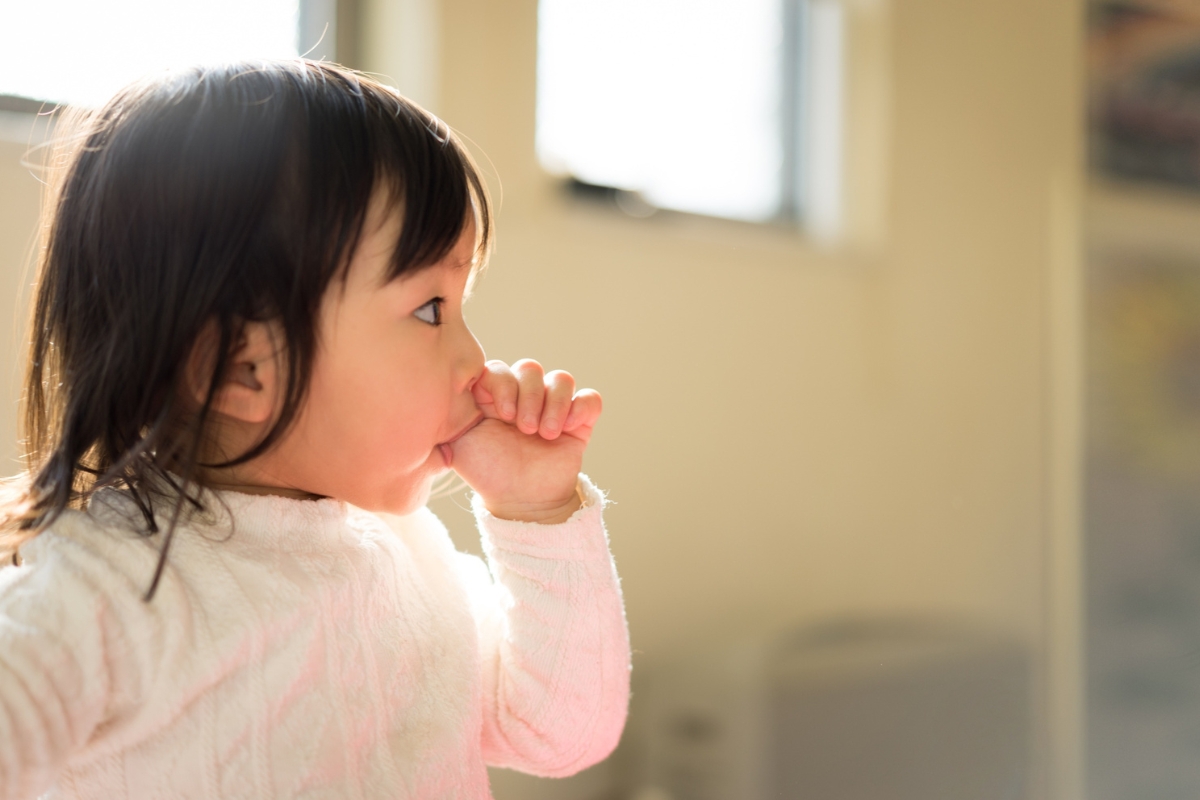
At Hamilton Dental Associates, many conversations with parents focus on everyday routines. Some of the most common dental habits in kids that seem harmless during childhood can sometimes influence how teeth grow and how a child’s bite develops over time.
Most of these behaviors are completely normal parts of growing up. The goal isn’t to worry parents. It’s simply to recognize when a routine might start affecting dental development so it can be addressed early and gently.
Our pediatric dental team works with families throughout Hamilton, Trenton, and Mercer County, and during routine checkups we often help parents understand which habits tend to have the biggest impact on a child’s smile.
Recognizing and understanding how these behaviors affect developing teeth can help parents support healthy dental growth as their child gets older.
Dental Habits in Kids Pediatric Dentists See Most Often
1) Thumb Sucking and Pacifier Use
Thumb sucking and pacifiers are very common for babies and toddlers. In most cases, children naturally grow out of them by around age four.
However, if the habit sticks around longer, it can start to push teeth forward or narrow the upper jaw, which may affect how the bite develops.
What parents can try to reduce thumb sucking and pacifier use:
- Gently encourage stopping as your child approaches preschool age
- Set small goals to meet (like no thumb sucking during playtime)
- Use praise instead of punishment
- Offer comfort alternatives like a favorite toy or blanket
If your child is still thumb sucking around age four, our pediatric team can share gentle, age-appropriate techniques to help break the habit. Our pediatric dentists also regularly screen for early bite changes during routine cleanings.
Thumb sucking is usually the first habit parents ask about, but it’s far from the only one we see during pediatric visits.
2) Nail Biting
Nail biting is something we see a lot once kids start school. It often shows up during homework, screen time, or moments when kids are concentrating.
Over time, frequent biting can chip teeth, wear down enamel, or cause jaw soreness.
- Helpful strategies to reduce nail biting include:
- Keeping nails trimmed short
- Offering stress toys or fidget toys
- Rewarding small milestones for breaking the habit
Occasional nail biting isn’t usually serious, but chronic biting may require intervention.
If nail biting has already changed your child’s tooth shape or caused sensitivity, reach out to schedule an exam so we can create a custom treatment plan.
3) Brushing Too Hard
Kids often think harder brushing means cleaner teeth. This is especially common when children start brushing independently and want to do a “good job.” In reality, brushing too aggressively can wear enamel and irritate gums.
Show your child gentle circular motions and choose a soft-bristle toothbrush designed for kids. Building proper brushing (and flossing) techniques early protects their smile for years to come.
Not sure if a habit is affecting your child’s smile?
4) Chewing on Objects
Many kids chew on pencils, toys, clothing, or even their hair without realizing it.
Over time, that pressure can wear down enamel or change how teeth meet. If you notice your child frequently chewing on objects, redirecting them to something safer, like a chew-safe toy or gum (for older kids), can help protect their teeth.
5) Bottle at Bedtime
Falling asleep with a bottle, especially one with juice or milk, exposes teeth to sugar and could lead to early decay. At night, saliva production slows down, which makes it harder for the mouth to neutralize acids. That combination can increase the risk of early childhood cavities.
Once teeth appear, switching to water at bedtime and brushing before sleep can make a big difference.
Additional Dental Habits Parents Should Watch For
Beyond these five habits, there are a few other patterns pediatric dentists watch for during routine exams:
- Mouth breathing or tongue thrusting, can affect jaw development and lead to open bite patterns, airway or ENT concerns.
- Lip sucking or cheek chewing, often tied to stress or boredom and linked to soft tissue irritation.
- Frequent snacking, especially on sugary or acidic foods, which increases cavity risk.
- Sipping sugary drinks throughout the day, prolongs acid exposure on teeth and weakens enamel.
- Chewing on jewelry or foreign objects, which can chip enamel or shift teeth.
Why Kids Develop These Habits
Many oral behaviors stem from comfort, boredom, stress, or simple developmental phases.
Thumb sucking, for example, is tied to natural soothing reflexes babies are born with. Nail biting and chewing behaviors often show up when kids are concentrating or feeling stressed.
The important thing is recognizing when a habit sticks around longer than expected so we can guide families through simple adjustments.
When Should Parents Seek Help
If any of these habits are persistent or changing how your child’s bite looks, early intervention helps. Our pediatric dental team at Hamilton Dental Associates focuses on lifelong oral health in a fun and supportive environment. Request an appointment today and get personalized advice.
Good habits now create healthy smiles later. If you have concerns about your child’s habits or oral health, call us or book a visit online at Hamilton Dental Associates today.
FAQs
- Pain while chewing or sensitive teeth
- Red, swollen, or bleeding gums
- Visible changes in how teeth fit together
- A habit that’s still strong past preschool age
- Noticeable wear or chipping
Ready to protect your child’s smile?
If you have questions about a habit or just want reassurance that everything looks healthy, our team is here to help.
Families throughout Hamilton, Trenton, and Mercer County trust Hamilton Dental Associates for pediatric and family dental care.
Schedule a visit today and let’s keep your child’s smile growing strong.