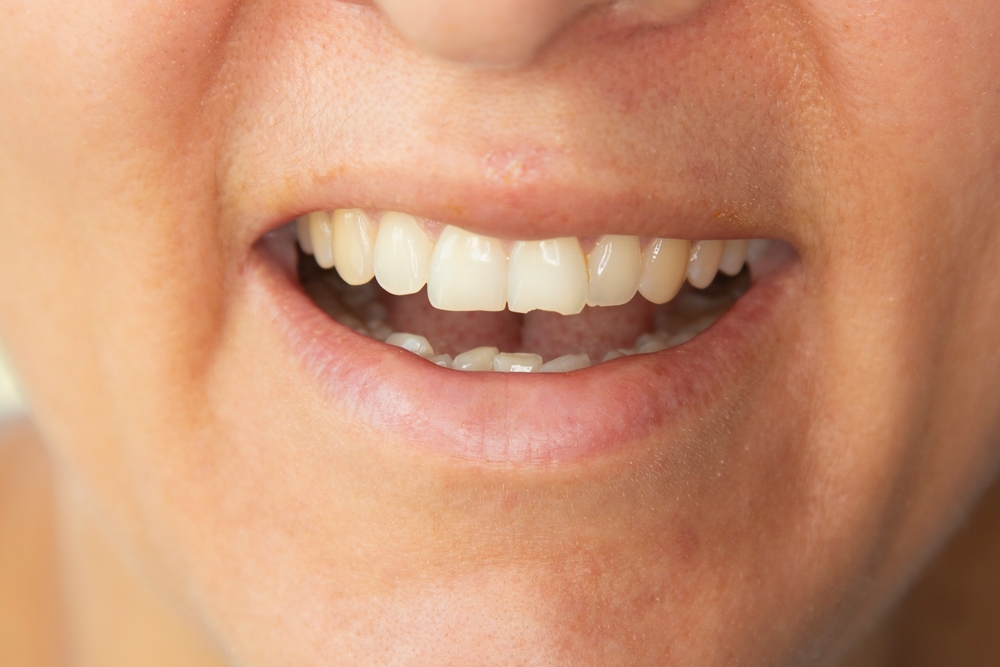
It’s surprisingly common for people to chip a tooth and feel absolutely no pain afterward. In fact, many patients assume that because the tooth doesn’t hurt, they may not even have to have the chipped tooth fixed. But even if a chipped tooth isn’t causing discomfort, it can still lead to a range of complications down the road. For this reason, it’s always best to have any dental concern evaluated by your dentist, even if it seems minor in the moment.
Common Causes of Chipped Teeth
Teeth are incredibly strong, but they’re not indestructible. Everyday habits, accidents, and underlying dental issues can make them susceptible to chips and fractures. Some of the most common causes include:
- Biting Down on Hard Foods: One of the leading causes of chipped teeth is simply biting something harder than your tooth can withstand. Ice cubes, hard candy, unpopped popcorn kernels, and even certain nuts can crack or chip enamel unexpectedly.
- Accidents and Trauma: Falls, sports injuries, and unexpected impacts can easily damage a tooth, even if the impact doesn’t seem severe enough to cause lasting harm.
- Teeth Grinding (Bruxism): Many people grind or clench their teeth at night without realizing it. Over time, this constant pressure weakens the enamel, making teeth more likely to chip. Bruxism can also lead to worn-down teeth, jaw pain, headaches, and sensitivity, so treating the grinding itself is just as important as repairing the chip.
- Using Teeth as Tools: We have all been guilty of this at one point or another — tearing open a bag of chips, uncapping a bottle, or ripping off a price tag with our teeth. While it might seem convenient at the moment, using your teeth as a pair of scissors or pliers is a recipe for disaster.
- Tooth Decay: A tooth weakened by decay has less structural integrity and is more prone to breaking. In these cases, even normal chewing can cause a portion of the tooth to chip away.
The Risks of Not Treating a Chipped Tooth
A chipped tooth may not hurt, but that doesn’t mean it’s harmless. Leaving a chip untreated can create long-term problems that become more expensive and complex to manage. Some of the most common risks include:
Enamel Damage Worsening Over Time
Enamel doesn’t repair itself, and once a chip occurs, the damaged area remains vulnerable. In fact, the small chip could slowly develop into a larger fracture, leading to the need for more significant restorative dental work.
Increased Tooth Sensitivity
As the protective enamel layer wears away, the inner layer (the dentin) becomes more exposed. This can make the tooth sensitive to hot, cold, sweet, or acidic foods. Even if sensitivity isn’t present initially, it can develop over time.
Risk of Infection
A deeper chip can expose the dental pulp (the soft tissue inside the tooth) to bacteria. This increases the likelihood of a painful infection or abscess. It’s important to note that an untreated infection can require root canal therapy or, in severe cases, extraction.
Sharp Edges Can Cause Injury
Chipped teeth often have jagged edges, which can easily cut your tongue, cheek, or gums. These small injuries can then become irritated or infected if left unaddressed.
Bite Problems
Even a small chip can slightly alter the shape of a tooth, affecting how your upper and lower teeth meet when you bite. Over time, this may lead to jaw discomfort, headaches, or uneven wear on other teeth.
Aesthetic Concerns
For many people, a chipped tooth affects their confidence when smiling or speaking. While cosmetic concerns may not be medically urgent, they can have a meaningful impact on self-esteem.
Treatment Options for a Chipped Tooth
The right treatment depends on the severity of the chip and the overall health of the affected tooth. A dentist will examine the tooth, often with an X-ray, to determine the best approach, which may include:
Dental Bonding
For small to medium cosmetic chips, bonding is the most common solution. The dentist applies a tooth-colored resin to the chip and shapes it to match your natural tooth. It is then cured with a special light. The entire process is painless, cost-effective, and can usually be done in a single visit.
Dental Veneers
If the chip is on one of your front teeth and affects the aesthetics of your smile, a veneer might be the best option. This is a thin shell of porcelain that covers the front surface of the tooth to create a flawless, natural look.
Dental Crowns
If a substantial portion of the tooth has broken off, compromising its strength, a crown (or cap) may be necessary. A crown covers the entire visible portion of the tooth to protect it from further damage and restore its full function.
Root Canal Therapy
If the chip exposes or damages the tooth’s pulp, a root canal may be required to remove infected tissue and prevent further infection. Afterward, a crown is placed to protect the tooth.
Dental Onlays or Inlays
For chips on the chewing surface of a molar, an inlay or onlay may be used to restore the damaged area without requiring a full crown.
Nightguards for Teeth Grinding
If grinding contributed to the chip, your dentist may recommend a custom nightguard. This protects your teeth while you sleep and helps prevent future chips or fractures.
Seek Dental Care for a Chipped Tooth Right Away
Have you recently chipped a tooth? Are you running your tongue over a rough edge right now, wondering if you can get away with ignoring it? Please, do not take the risk. The peace of mind that comes with a clean bill of health is worth the visit, and early treatment is always less invasive and less expensive than fixing a neglected problem.
If you’re in the Hamilton, NJ, area, you can turn to Hamilton Dental Associates for prompt, effective treatment. Our dentists will evaluate your chipped tooth and recommend the right solution for your situation.
Restore your smile and your confidence today. Contact Hamilton Dental Associates to schedule your appointment!